The Big Questions
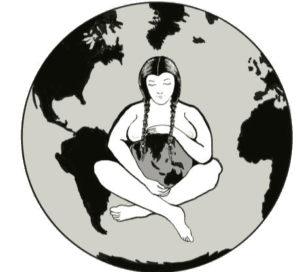 The people of Changleska cannot treat land, water, animals, and plants as resources without limits. Survival depends on learning from the place where they live and making choices that will still matter generations later. The series asks whether a society can grow without repeating the patterns of extraction, pollution, and disregard that shaped the world it left behind.
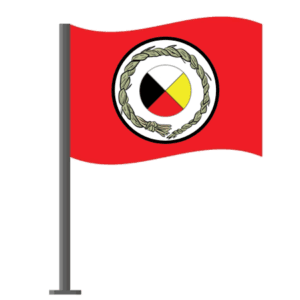 In Changleska, sovereignty is more than a question of borders or political power. It is the ability of people and communities to make decisions about their own lives, land, food, culture, and future. The series explores what becomes possible when Indigenous sovereignty and shared responsibility are treated as the foundation rather than an afterthought.